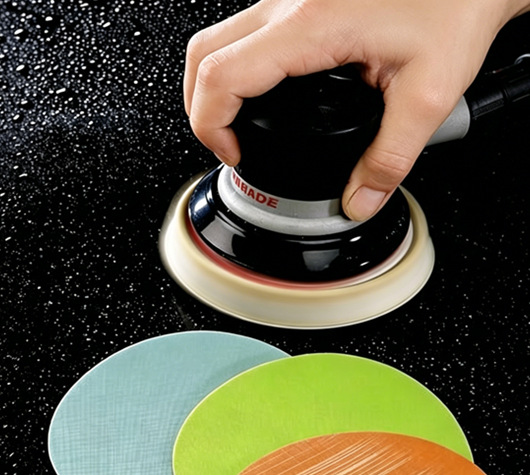
When polishing advanced ceramics, silicon carbide, carbide tools, titanium alloys, and TFT-LCD glass components, conventional abrasive discs often face serious performance limitations.
Severe Clogging During Grinding
Traditional abrasive discs have poor debris evacuation capability when processing hard and brittle materials.
During ceramic or glass grinding, fine chips and polishing residues quickly accumulate on the abrasive surface, causing severe clogging and reducing grinding efficiency.
Rapid Decline in Cutting Performance
Conventional coated abrasives often show aggressive initial cutting performance, followed by rapid dulling.
This makes it difficult to maintain stable:
- Surface roughness (Ra)
- Thickness variation (TTV)
- Batch-to-batch polishing consistency
especially in precision production environments.
Short Service Life
Uneven abrasive wear leads to frequent disc replacement and increased consumable costs.
Unstable Surface Quality
Irregular abrasive breakdown often results in inconsistent polishing marks and unstable finishing quality.
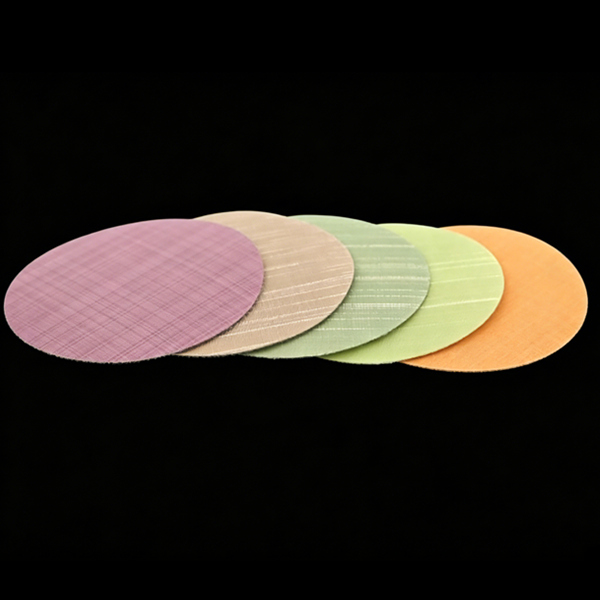
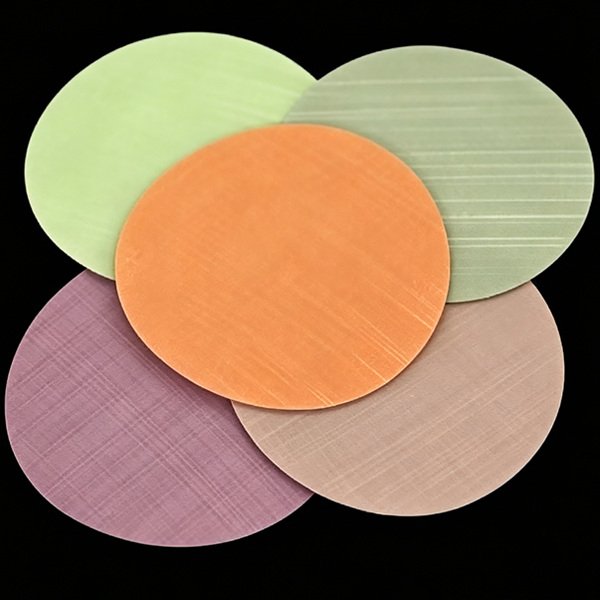
The 3D Structured Diamond Lapping Disc utilizes a precisely engineered micro-replicated abrasive structure in which the abrasive minerals are formed into uniform three-dimensional pyramid patterns across the disc surface.
Unlike traditional coated abrasive discs with randomly distributed abrasive grains, the structured abrasive geometry provides a more controlled grinding interface throughout the polishing process.
During the finishing of advanced ceramics, carbide materials, TFT-LCD glass panels, and titanium alloys, large amounts of fine grinding debris are generated. Conventional abrasive discs are easily clogged, causing unstable polishing quality and rapid cutting performance loss.
The structured abrasive surface helps create continuous chip evacuation channels, reducing debris accumulation and improving polishing consistency.

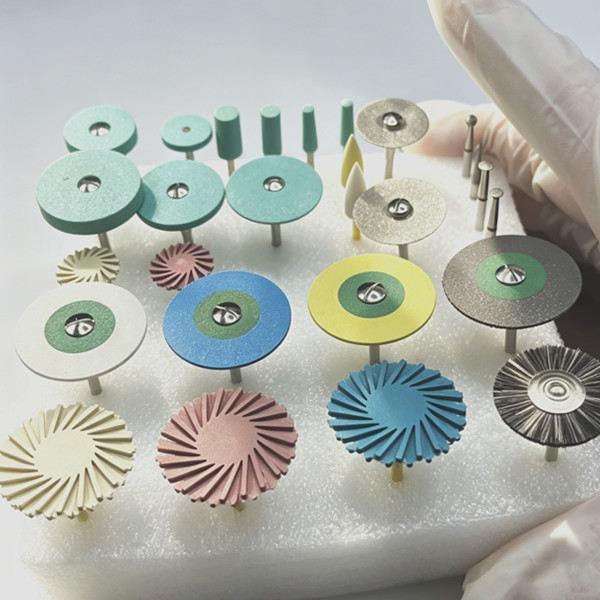 Dental Finishing & Polishing Kits for Composite Restoration Procedures
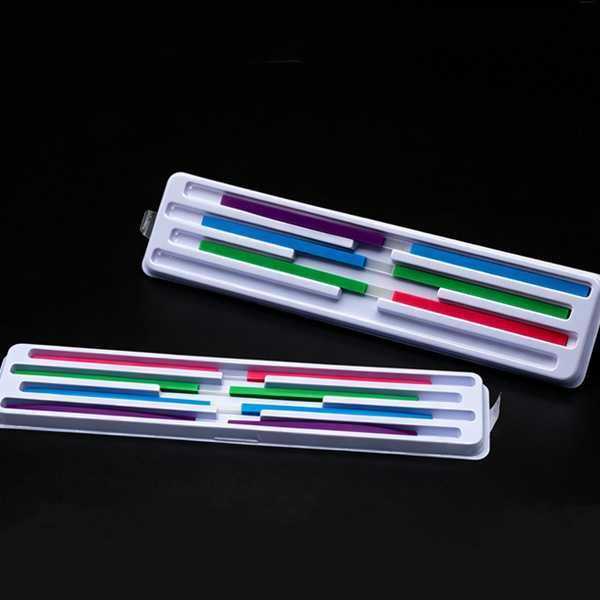 Flexible Composite Finishing Strips for Interproximal Dental Polishing
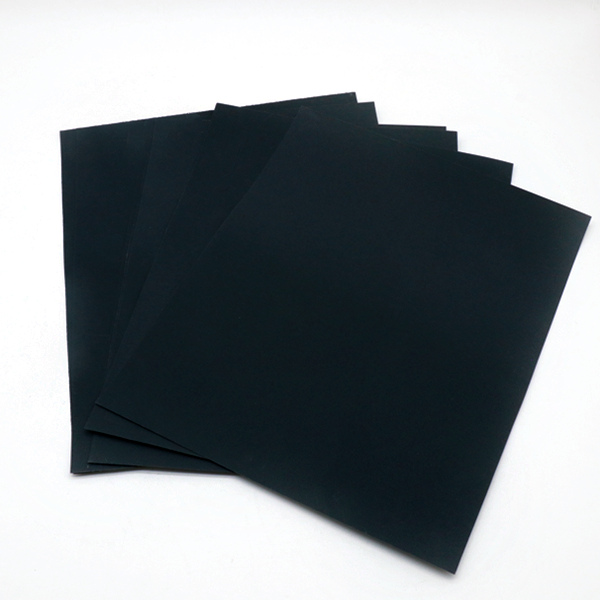 Electrostatic Sandpaper for Wet & Dry Surface Finishing Applications
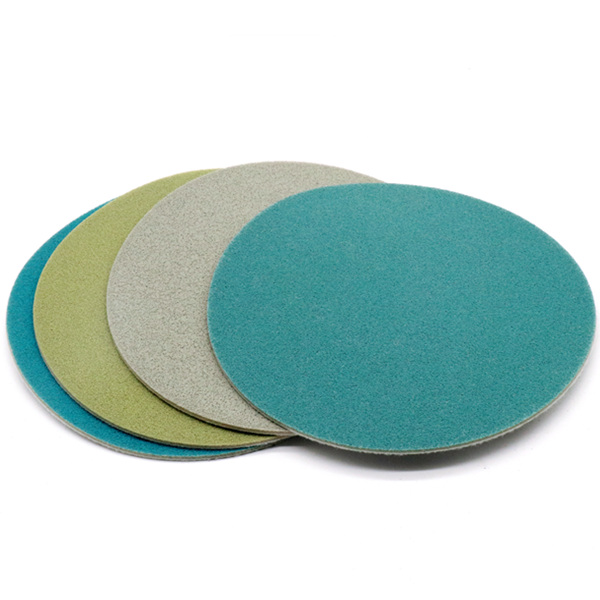 Foam Abrasive Disc for for Clear Coat Sanding & Surface Refinishing
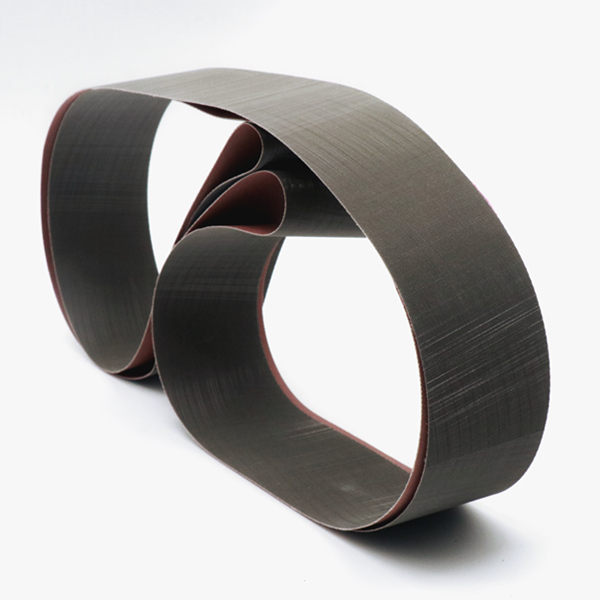 3D Structured Cloth-backed Pyramid Belt
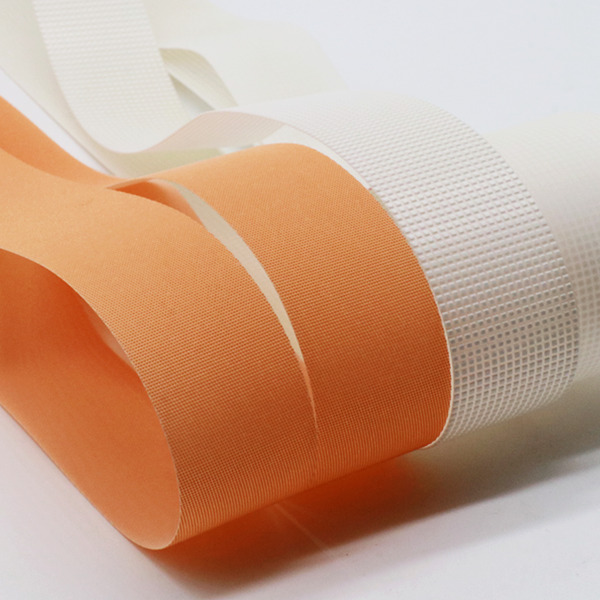 3D Structured Film (Cleaning belt for LCD panels)Flocked Pile Polishing Film for Roller Finishing and LCD Wiping
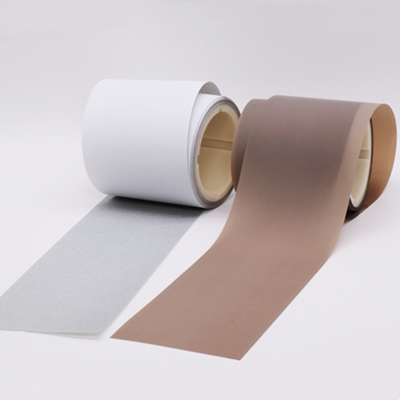 Polishing tape for repair defects and flatten protrusion points in LCD color filter process
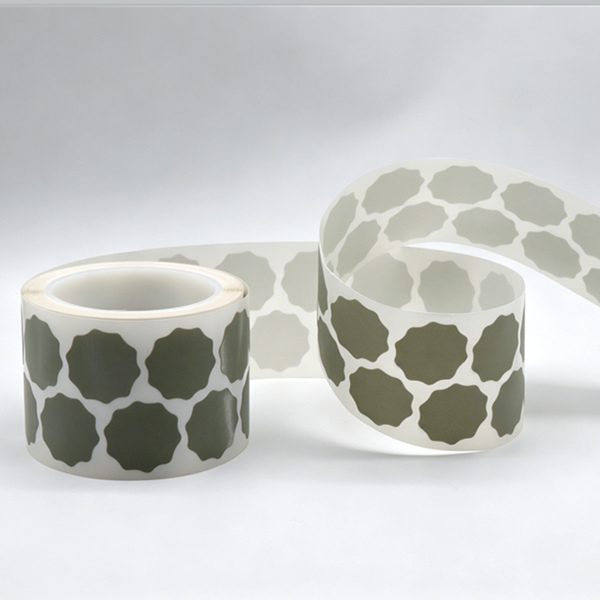 PSA Film Disc Roll for Fine Sanding and Finish of Automotive Coatings
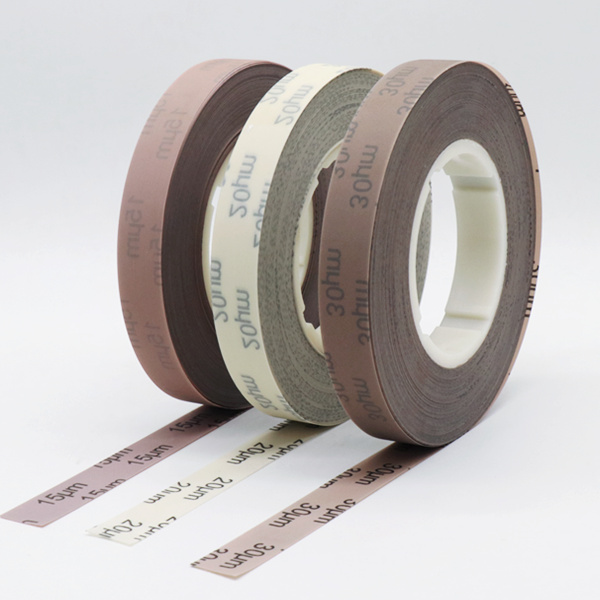 Electrostatic Coated Microfinishing Film Roll for Ultra-Fine Surface Finishing
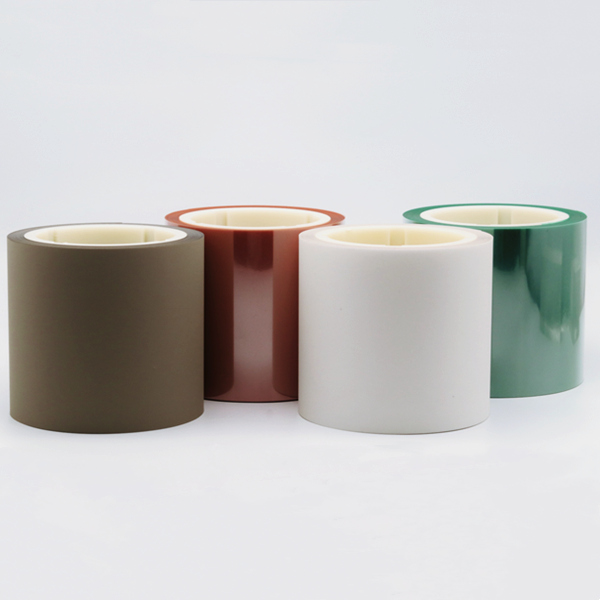 Precision Coated Diamond Roll for Fiber Optic & Microfinishing
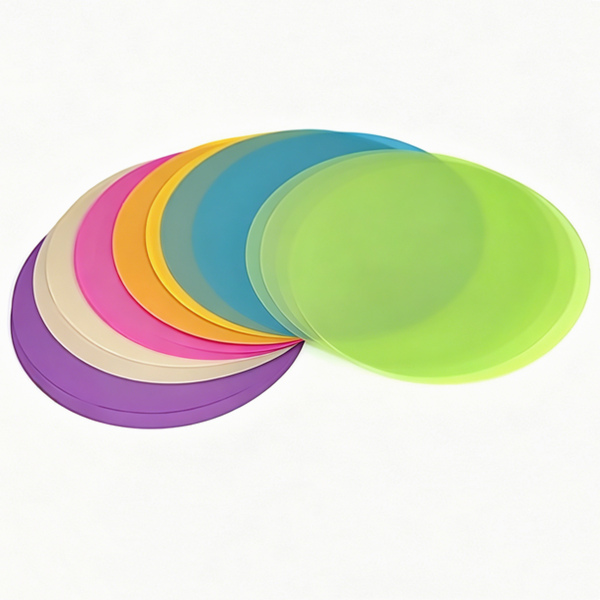 Diamond lapping film disc
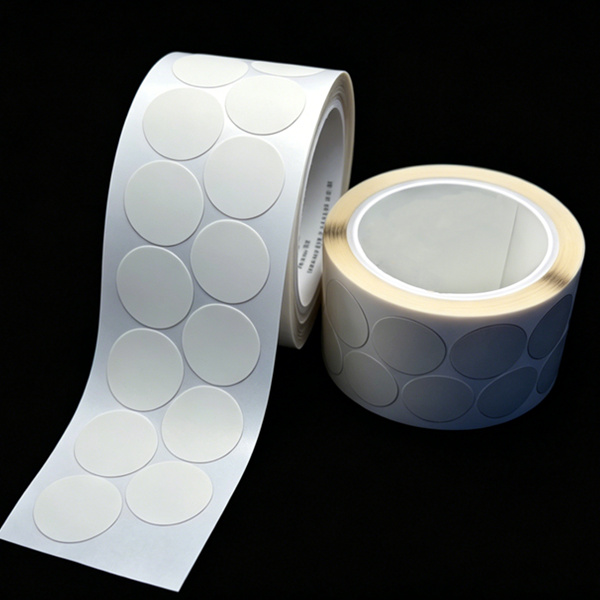 Cerium Oxide film disc roll for Glass Repair / Glass Polishing Pad
 3D Structured Diamond Lapping Disc For Ceramic
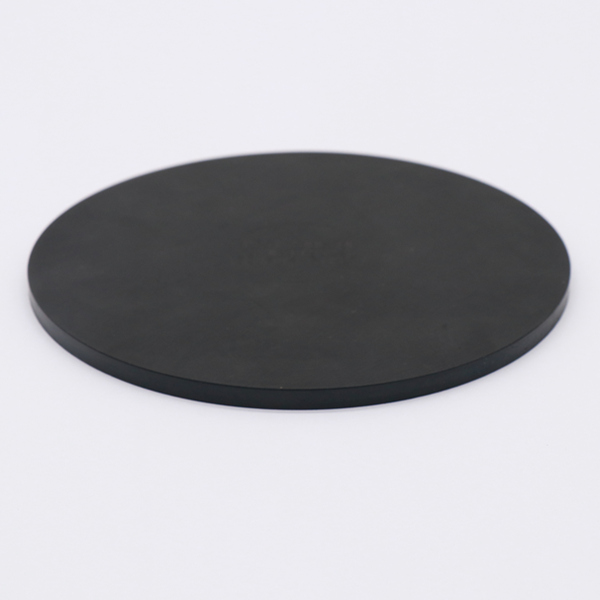 Fiber Rubber Polishing Pad
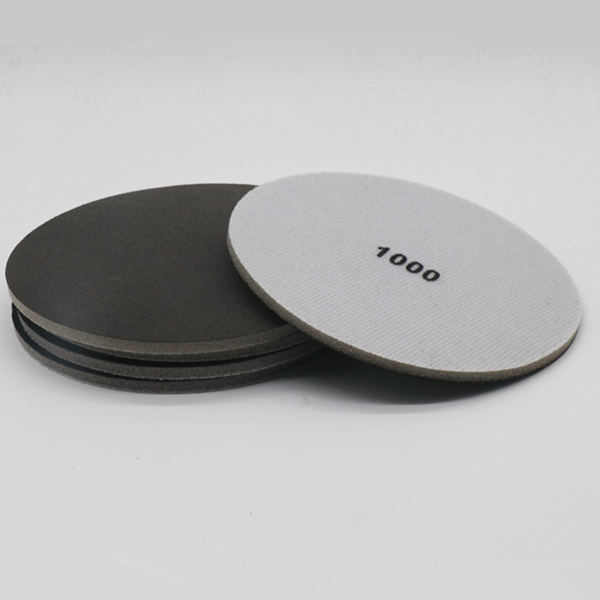 Foam Abrasive Disc for surface flexible grinding and fine treatment
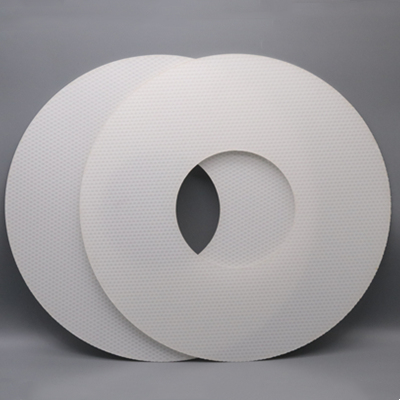 Resin diamond lapping pad
 PU Polishing Pad
 Diamond Thinning/Polishing Pad for polishing sapphire,wafer,presicion ceramic