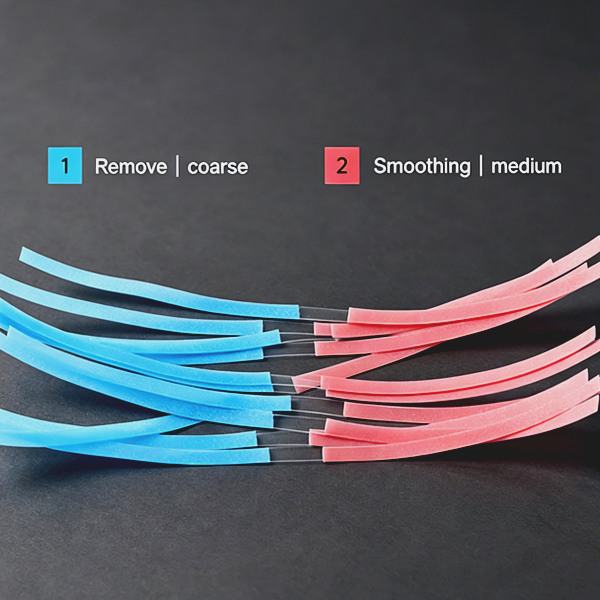
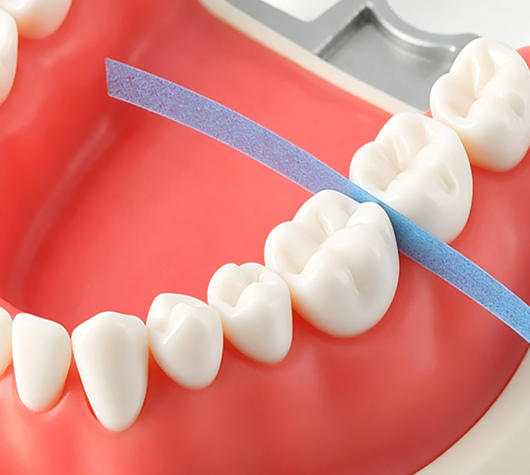
In restorative dentistry, achieving smooth contour transition and natural high-gloss polishing remains challenging, especially in interproximal areas and curved tooth surfaces.
Poor Flexibility of Conventional Polishing Discs
Rigid polishing discs often cannot properly conform to natural tooth anatomy during finishing procedures.
This may result in:
- Uneven polishing marks
- Inconsistent restoration contour
- Difficulty achieving natural surface gloss
Finishing Strips Easily Break in Narrow Interproximal Areas
Interproximal spaces are extremely limited during finishing procedures.
Low-quality finishing strips may:
- Break easily during use
- Lose abrasive efficiency rapidly
- Cause excessive enamel abrasion
Unstable Surface Gloss After Composite Restoration
Traditional polishing systems may struggle to maintain consistent polishing quality across different restoration batches and clinical procedures.
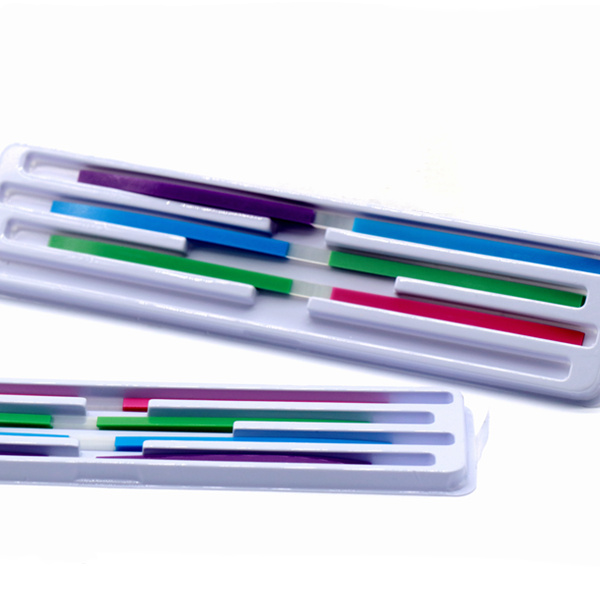
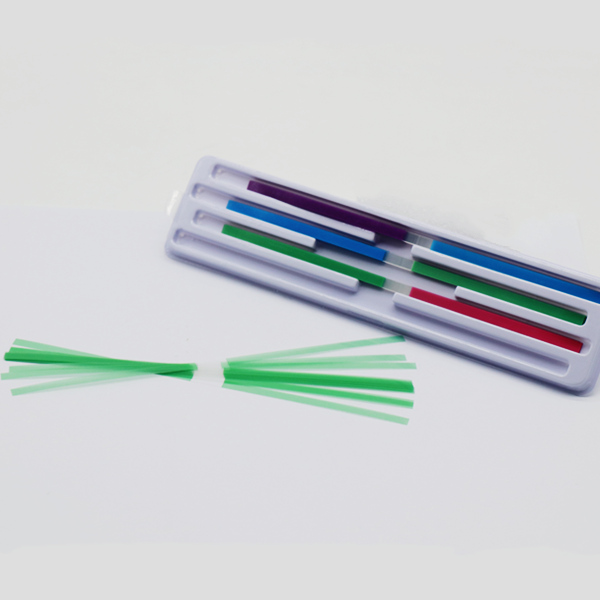
The Dental Polishing Discs & Composite Finishing Strips are developed to improve polishing adaptability and finishing consistency during restorative procedures.
The flexible abrasive structure allows the polishing discs to better follow tooth contours while maintaining controlled abrasive action.
The thin finishing strip design helps improve access to interproximal areas and supports smoother finishing performance during contact area polishing.
Compared with conventional polishing systems, the multi-step polishing structure helps achieve:
- More consistent composite finishing
- Improved polishing smoothness
- Better adaptation to tooth anatomy
- Enhanced surface gloss
- More controlled interproximal finishing
Applications of Dental Polishing Discs & Finishing Strips
he polishing system is suitable for restorative dentistry procedures requiring contouring, finishing, and polishing of composite materials.
Typical applications include:
Composite Resin Restoration Finishing
Surface contouring and polishing after composite filling procedures.
Interproximal Finishing
Polishing and smoothing of narrow tooth contact areas.
Composite Contouring Procedures
Adjustment and refinement of restoration anatomy.
High-Gloss Restoration Polishing
Final polishing procedures for improved restoration aesthetics.
Interproximal Reduction Procedures
Controlled reduction and finishing using interproximal reduction strips.

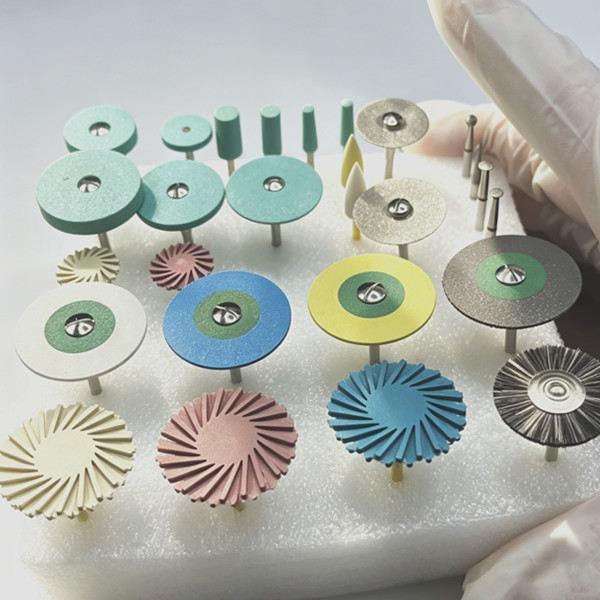 Dental Finishing & Polishing Kits for Composite Restoration Procedures
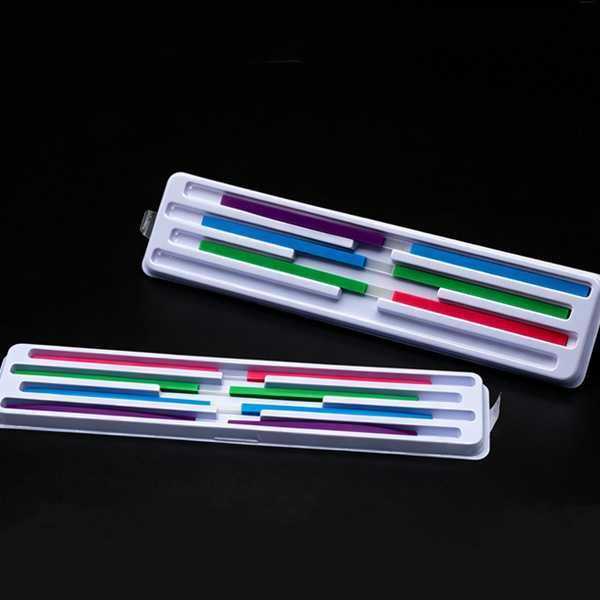 Flexible Composite Finishing Strips for Interproximal Dental Polishing
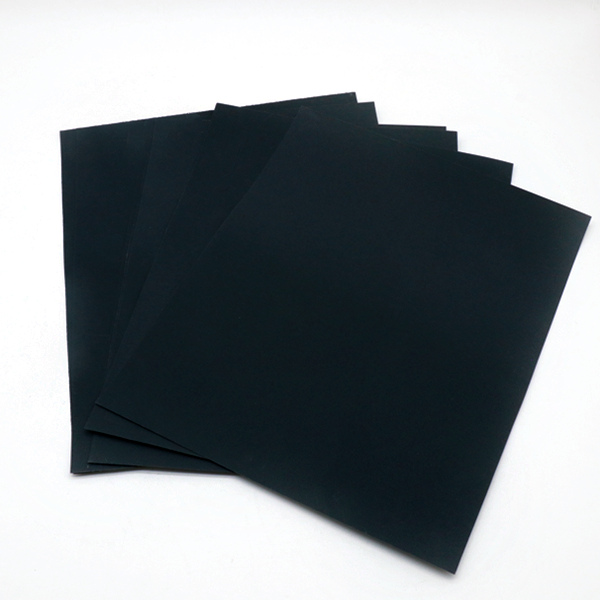 Electrostatic Sandpaper for Wet & Dry Surface Finishing Applications
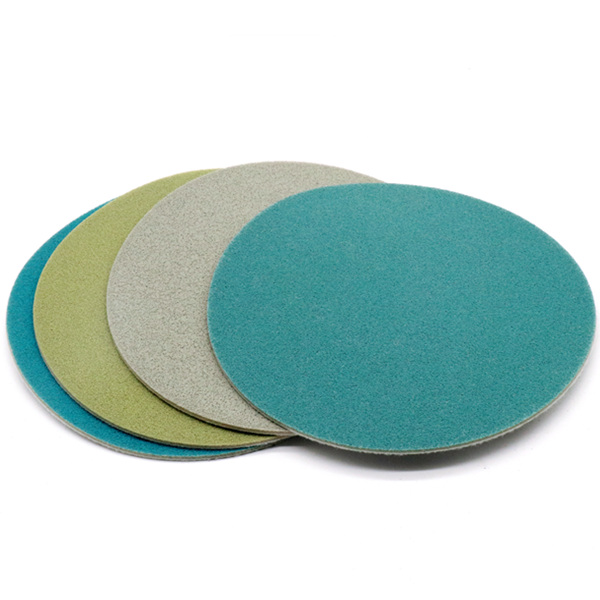 Foam Abrasive Disc for for Clear Coat Sanding & Surface Refinishing
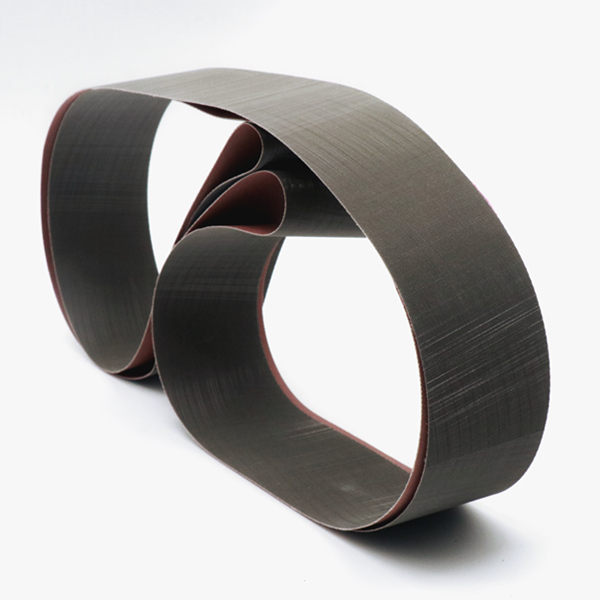 3D Structured Cloth-backed Pyramid Belt
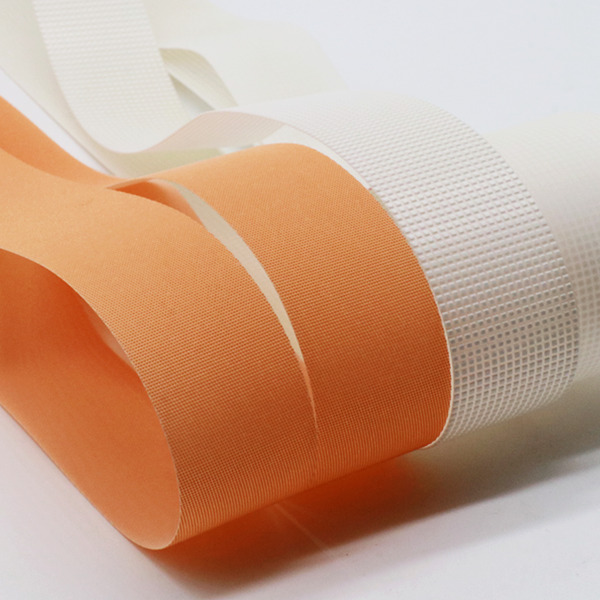 3D Structured Film (Cleaning belt for LCD panels)Flocked Pile Polishing Film for Roller Finishing and LCD Wiping
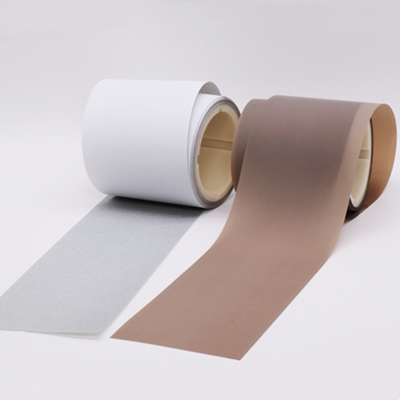 Polishing tape for repair defects and flatten protrusion points in LCD color filter process
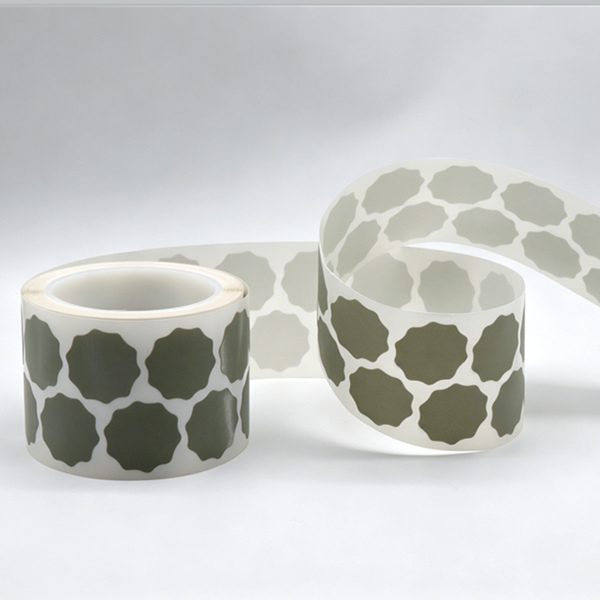 PSA Film Disc Roll for Fine Sanding and Finish of Automotive Coatings
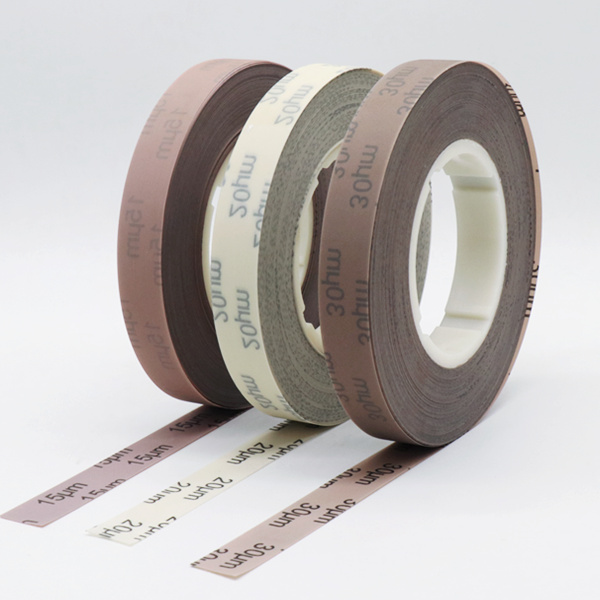 Electrostatic Coated Microfinishing Film Roll for Ultra-Fine Surface Finishing
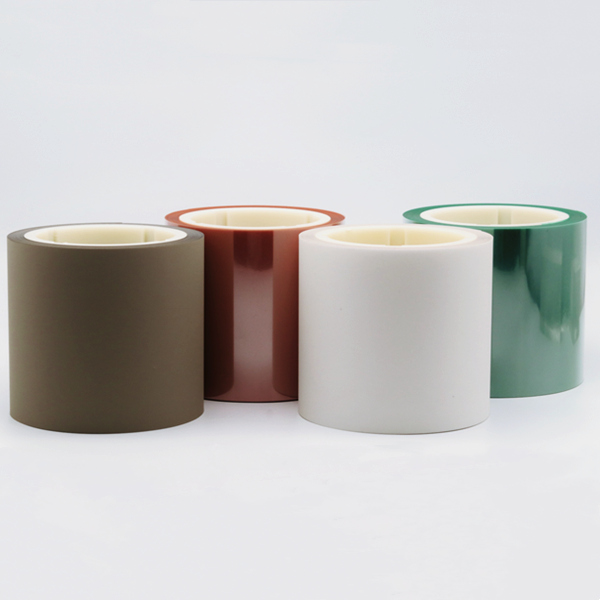 Precision Coated Diamond Roll for Fiber Optic & Microfinishing
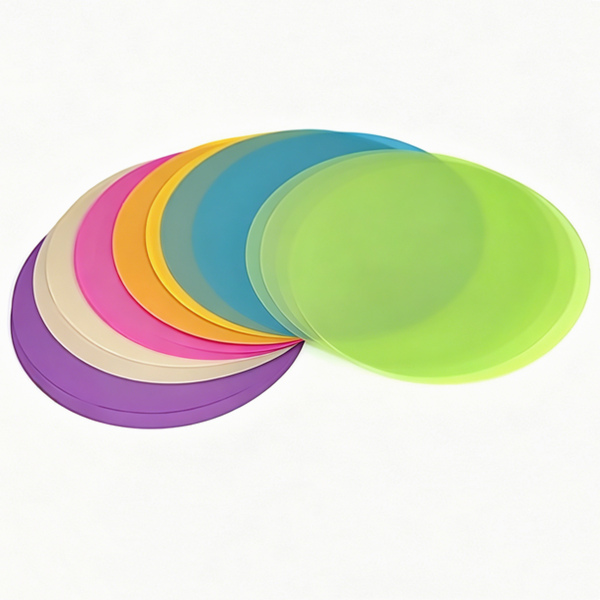 Diamond lapping film disc
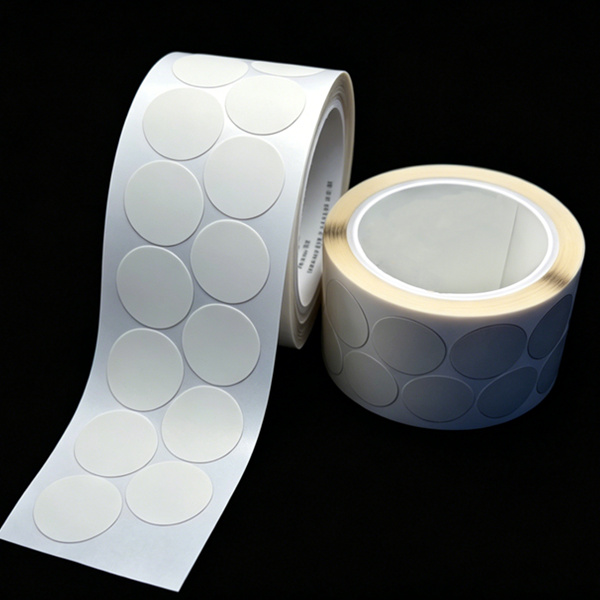 Cerium Oxide film disc roll for Glass Repair / Glass Polishing Pad
 3D Structured Diamond Lapping Disc For Ceramic
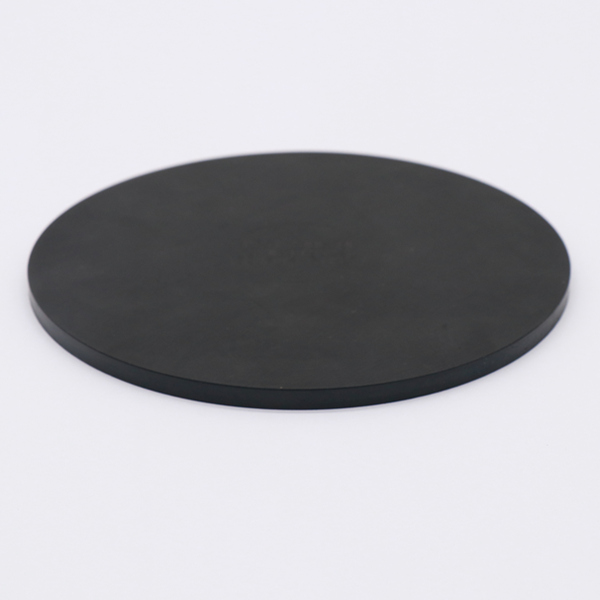 Fiber Rubber Polishing Pad
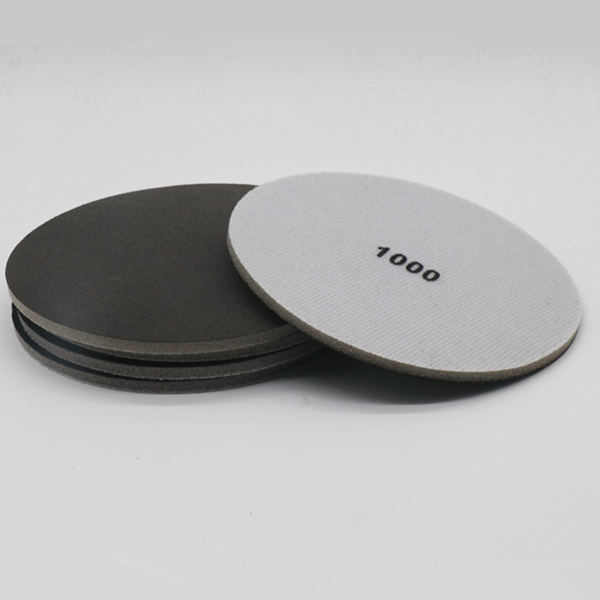 Foam Abrasive Disc for surface flexible grinding and fine treatment
 Resin diamond lapping pad
 PU Polishing Pad
 Diamond Thinning/Polishing Pad for polishing sapphire,wafer,presicion ceramic